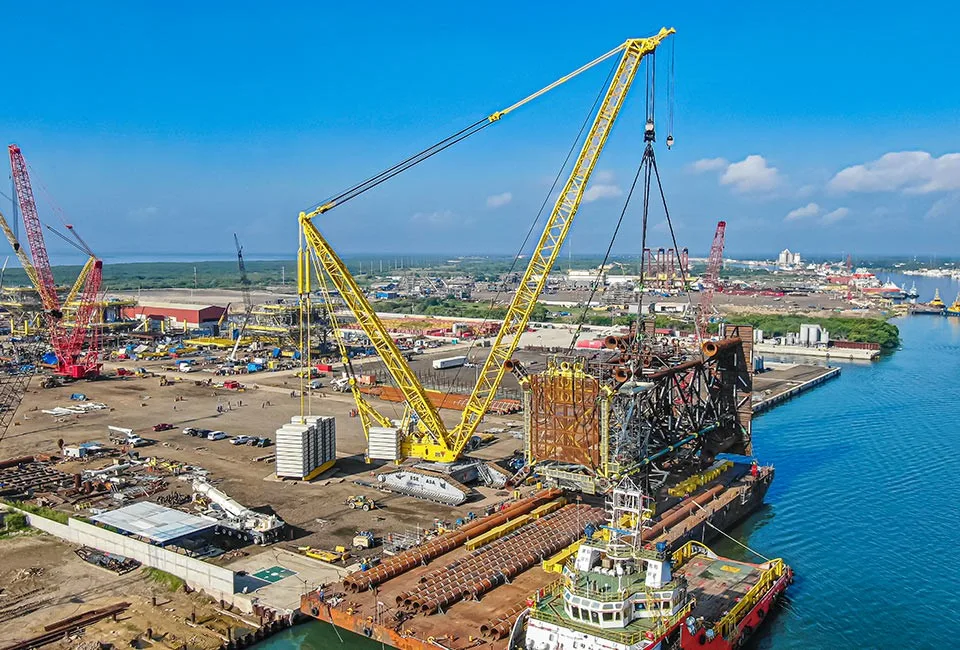
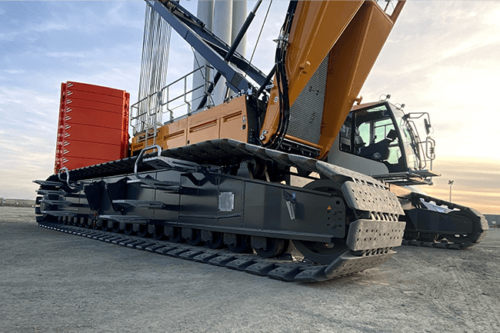
The construction machinery industry is entering a new era driven by intelligence. With the rapid proliferation of automation, artificial intelligence (AI), and remote control technologies, equipment performance is achieving breakthroughs at an unprecedented pace. However, behind these advancements, a critical transformation is quietly taking place—undercarriage parts are facing a formidable challenge: meeting entirely new standards.
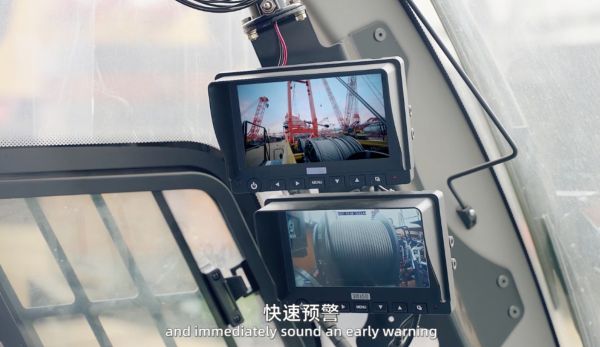
Image Source: sanygroup.com
The Evolution from Mechanical Support to Performance-Critical Parts
Traditionally, undercarriage parts were primarily viewed as load-bearing elements responsible for providing stability and enabling mobility. Today, their role is undergoing a profound transformation.
As machinery becomes increasingly intelligent and efficient, chassis systems no longer serve merely as simple supporting structures; they are beginning to directly influence the equipment’s overall performance. Today, the ability to operate continuously, maintain equipment stability, and adapt to optimized work cycles has become an indispensable core requirement for chassis systems.
Extended Operating Hours, Increased Stress Loads
One of the most significant changes brought about by smart equipment is a substantial increase in equipment utilization. Thanks to the application of automation and remote control technologies, equipment downtime has been reduced, while actual operating hours have correspondingly increased.
This presents a new set of challenges for undercarriage parts:
1. Components must withstand the rigors of longer and more frequent work cycles.
2. Under high-efficiency operating conditions, the wear rate of components accelerates.
3. Although load distribution tends to be more consistent, it imposes even more stringent demands on the load-bearing capacity of the components.
Under these operating conditions, chassis components—such as track shoes, track rollers, drive sprockets, and idlers—must maintain reliable performance throughout prolonged periods of continuous operation to ensure the equipment runs flawlessly.
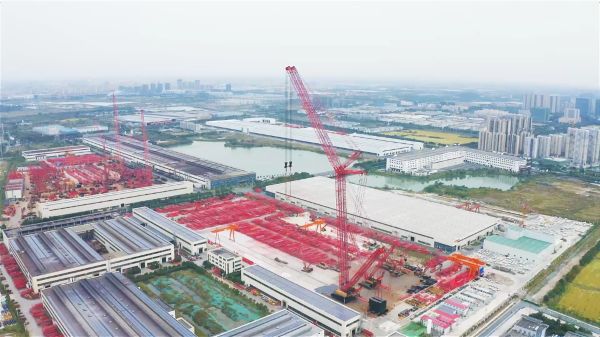
Data-Driven Transformation of Component Application Models
The introduction of intelligent monitoring systems has completely revolutionized equipment maintenance strategies across the industry. Today, machinery can collect and analyze operational data in real time, enabling operators to gain a far more precise understanding of component wear levels and performance status.
This transformation has triggered a shift in the management paradigm for undercarriage parts:
1. Maintenance decisions are no longer based on subjective estimates but are instead grounded in the actual operating conditions of the equipment.
2. Component replacement cycles have been optimized and adjusted, thereby effectively minimizing unnecessary downtime.
3. Through continuous data feedback, component performance is subject to real-time, dynamic assessment and monitoring.
For manufacturers, this implies that every single component must demonstrate fully predictable and stable performance under monitored operating conditions.
Precision Manufacturing Becomes a Core Requirement
The seamless operation of intelligent equipment relies heavily on precise control systems and integrated technological solutions. This undoubtedly imposes stricter and more exacting demands on the dimensional accuracy and manufacturing quality of undercarriage components.
To ensure smooth operation, components must:
1. Achieve precise fitment within complex mechanical systems.
2. Maintain stability under controlled motion conditions.
3. Support advanced functionalities such as intelligent traction and load balancing.
Even minute deviations can lead to inefficiencies or system interruptions, making precision manufacturing increasingly critical.
The Market Shifts Toward a “Quality and Reliability” Orientation
As market expectations continue to rise, the undercarriage component sector is advancing toward higher standards. Buyers today place greater emphasis on product durability, performance consistency, and long-term value.
This trend is driving a series of changes:
1. A growing demand for premium-grade materials.
2. Significantly heightened attention to heat treatment processes and wear resistance.
3. Increasing acceptance of OEM-grade quality benchmarks.
Manufacturers capable of delivering consistent quality and extended service life are gradually establishing a more secure competitive foothold within the global market.
The evolution of intelligent engineering equipment has not only reshaped the functional characteristics of machinery but has also redefined the role and requirements of undercarriage components. As the intelligence and efficiency levels of equipment continue to advance, market demand for durable, precise, and reliable components will continue to grow.